
YADD Community puts Egypt’s craftspeople centre stage at Cairo Design Week
YADD Community, a new programme by Creative Districts curated by designer Shewekar El Gharably, brings artisans, their tools and live demonstrations to Ghurnata Community Space in Heliopolis for Cairo Design Week, with an exhibition tracing Egyptian craft from its past to its future.
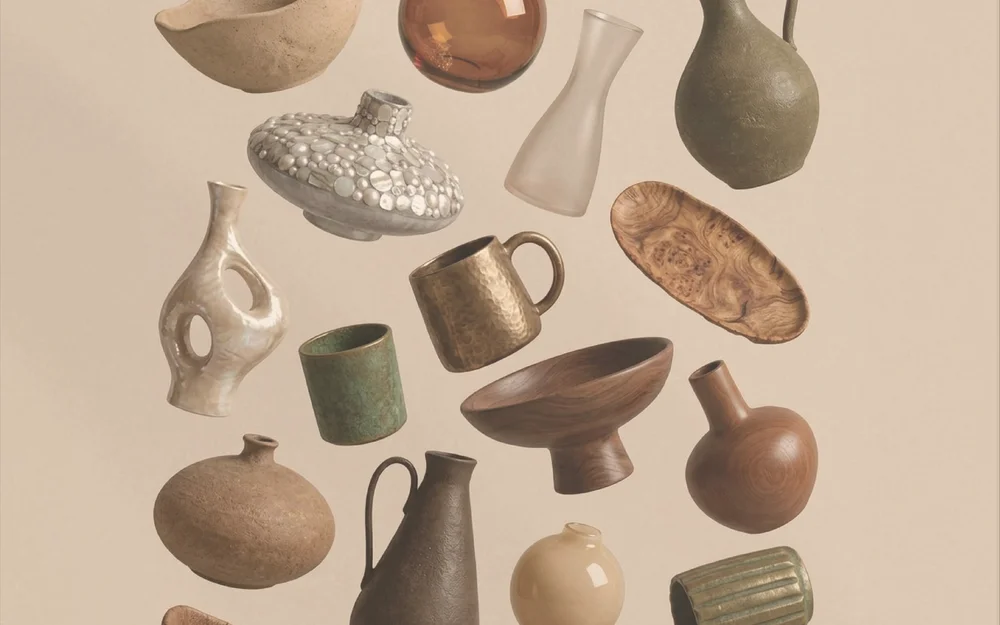
The hand behind the design
YADD takes its name from the Arabic word for hand, and the programme makes its debut during the fourth edition of Cairo Design Week, which runs from 19 to 28 November across Downtown, Heliopolis and Zamalek under the theme “All About Ehna”. Created by Creative Districts and curated by designer Shewekar El Gharably and her namesake studio, the exhibition “Past, Present & Future: Craft in Continuity” puts artisans and the knowledge behind their work at the centre of the conversation — the Heliopolis district, and with it the exhibition at Ghurnata Community Space, runs from 21 to 28 November, open daily from 1:00 pm to midnight.
“We have so many talented craftsmen and women and artisans in Egypt who don’t get their much-deserved spotlight and recognition,” El Gharably says. Their work may appear beneath a designer’s name, though the finished piece carries decisions made through years of material knowledge. “Even if a designer has a sketch, the skill and mastery of an artisan is reflected onto the work and craft produced,” she says. “The final product is, ultimately, part designer and part craftsperson because their spirit and the way they work goes into the final design and the final aesthetic of everything.”
Three rooms: past, present and future
YADD follows that relationship through three spaces dedicated to the past, present and future of craft. The first, on the ground floor of Ghurnata, begins with where the practices came from: historical references, images, material samples and prototypes trace the crafts featured in the exhibition through the regions and communities that developed them, giving visitors context for techniques that can otherwise appear only as decoration on a finished object.
The next space moves into the workshop. Raw materials, sketches and tools sit beside different stages of production, with live demonstrations showing the decisions and physical skill hidden inside the final piece. Pottery, for example, is presented through the preparation of clay and its movement onto the wheel, allowing visitors to follow the material as it is worked into form. “When designers see the process, they may figure out what they could change or add, even if it’s another craft, to make the piece ever more special,” El Gharably says.
The final space takes those skills into new collaborations. Designers combine two different crafts within a single work, testing what happens when techniques usually practised separately are asked to solve the same object — with the resulting pieces and installations intended for contemporary living spaces. The exhibition brings together pottery, rugs, glass, mother-of-pearl, woodwork, arabesque, khayamiya, straw weaving, copperwork and other forms of material craft, including stone, textiles, ceramics, metal and weaving — traditions recognised by UNESCO that the programme looks at through contemporary design.
Craft as work, not just heritage
El Gharably also sees economic stakes in keeping that knowledge alive. Craft is work: it can support livelihoods, industries and local manufacturing, and give Egyptian products a language rooted in the skills and materials already present here. She points to established craft economies in countries including India and Morocco as examples of traditional skills continuing to generate work, exports and cultural value. “Craftsmanship and craftspeople can contribute to economic development while strengthening a country’s cultural identity and heritage, with the potential to increase tourism and sales of locally made products and furniture,” she says.
And a taste of it, too
YADD’s idea of handwork also moves outside the exhibition rooms. “Craft You Can Taste” extends the programme into food, focusing on the processes behind things usually encountered only when they reach a table: Turkish coffee, kunafa, atayef and samosas are among the foods set to be prepared by hand through the exhibition’s café concept, stretching the definition of craft beyond decorative objects towards the repeated skills people inherit, practise and pass on through everyday life.
Its first Cairo Design Week appearance ultimately places the maker back inside the story of design. The objects remain important — but YADD asks visitors to look long enough to see the people, knowledge and labour that made those objects possible in the first place.
More from Cairo
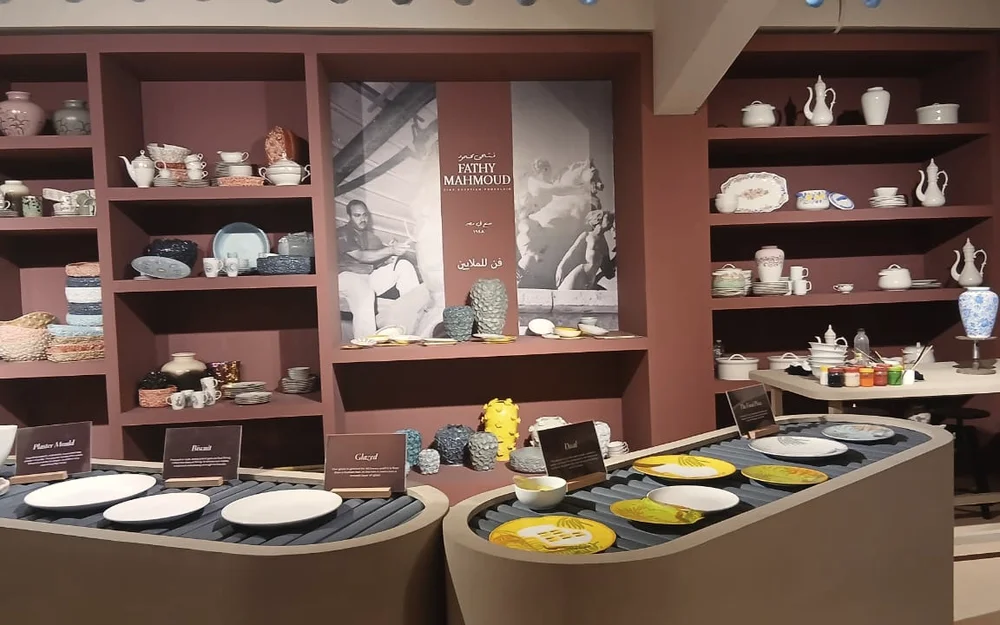
Cairo Design Week closes on Saturday — the Heliopolis craft rooms to catch in the final two days
Cairo Design Week 2026 ends on Saturday 28 November. With two days left, the Heliopolis district's craft rooms at Ghurnata Community Space — the YADD Community exhibition, the House of Artisans, a reconstructed 1927 Frank Lloyd Wright cabin and the inMotion showcase — are the stops to prioritise, open from the early afternoon until midnight.
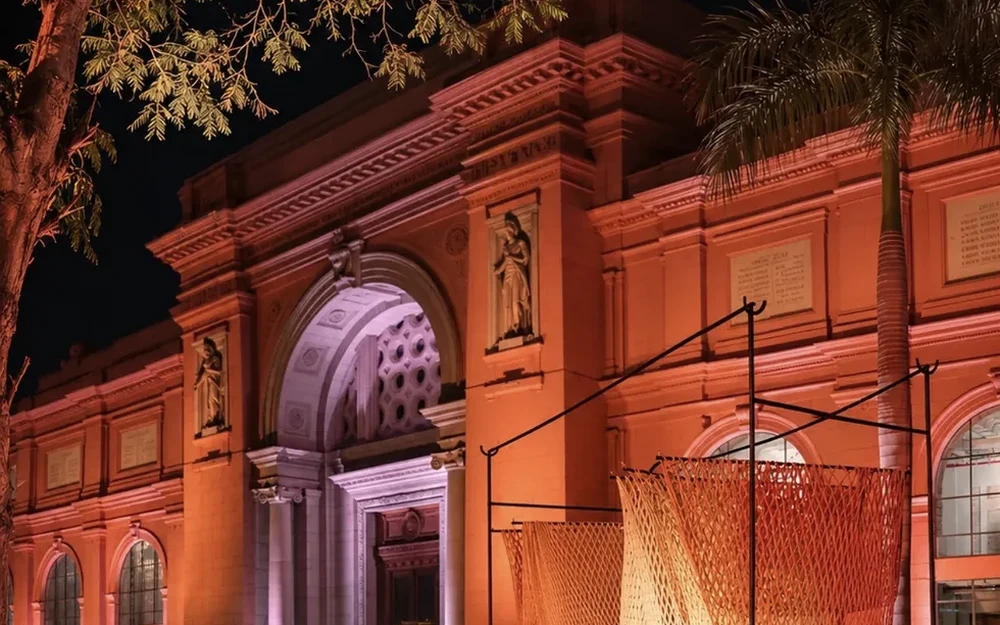
Seven objects, twenty-one makers: TheMENAEdit opens at the Egyptian Museum
TheMENAEdit, a new design initiative at Cairo Design Week, brings 21 creatives from more than 10 countries together in seven teams of three to make one shared object each. The seven limited-edition works are on show at the Egyptian Museum in Tahrir, with public roundtables with the makers running until Sunday 22 November.
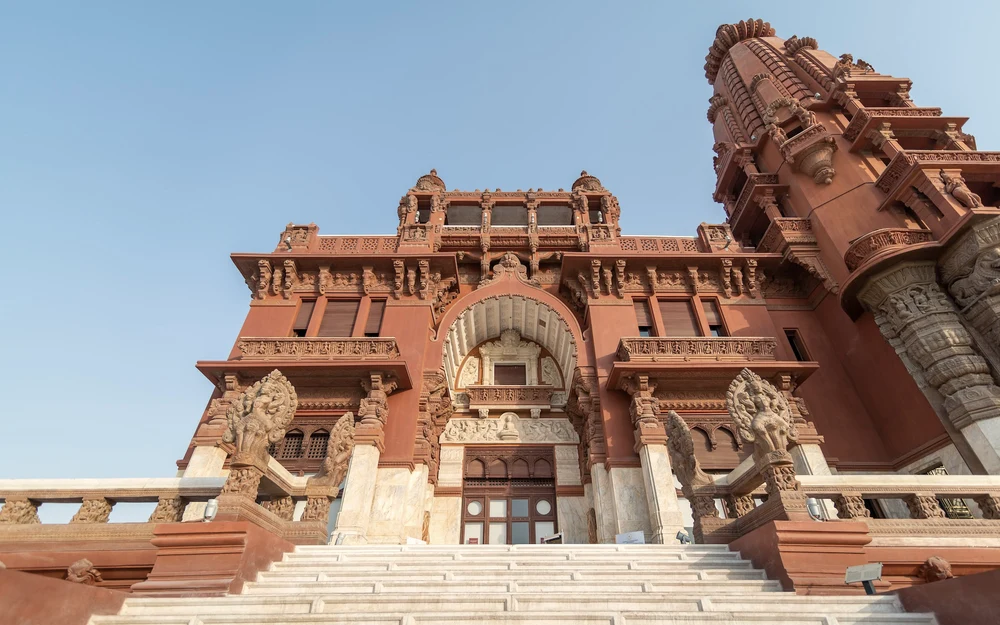
Cairo Design Week opens tomorrow across Downtown, Heliopolis and Zamalek
The fourth edition of Cairo Design Week opens tomorrow, 19 November, and runs to 28 November across Downtown, Heliopolis and Zamalek, with more than 100 designers, 150 exhibitors and 80 speakers, three new initiatives and nine guided Design Walks.