
The bones of Dahshur's princesses suggest they were archers — and experts disagree
A study of six royal skeletons from Dahshur, rediscovered in the Egyptian Museum's basement in 2020, argues that Middle Kingdom princesses buried with bows and daggers had actually used them. Outside specialists say the bones alone cannot prove it.
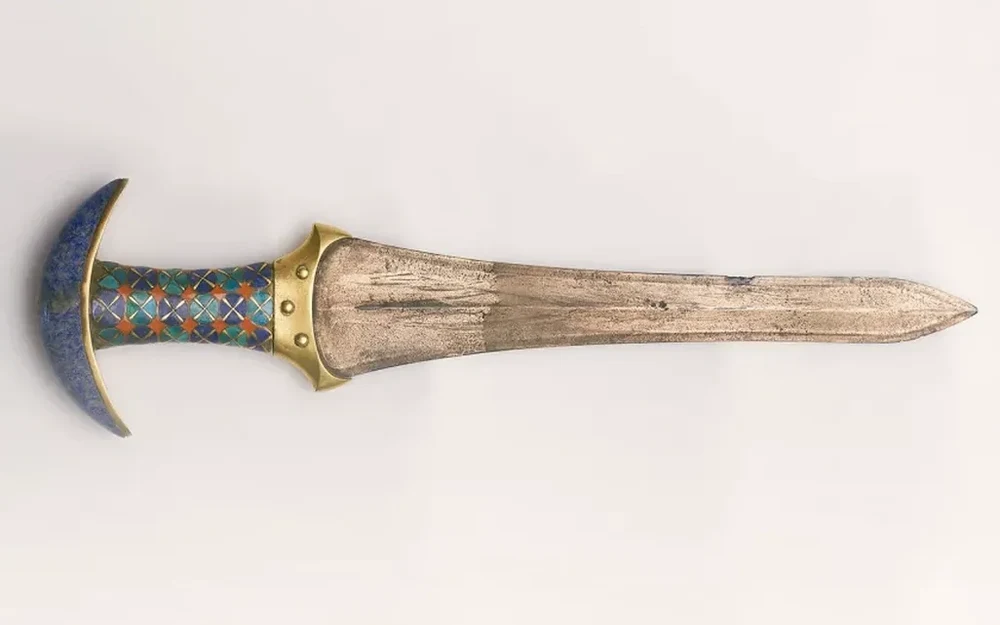
What the bones show
The study looks at six royals of the Late Middle Kingdom, around 1850 to 1700 BCE: King Hor, Princesses Ita, Khenmet, Itaweret and Noub-Hotep, and an unlabelled woman provisionally identified as Princess Sathathormeryt. Four of the women were sisters, daughters of the pharaoh Amenemhat II, buried in matching underground chambers beside his pyramid at Dahshur; Hor and Noub-Hotep lay by the pyramid of Amenemhat III. The work was led by Zeinab Hashesh of Beni-Suef University, with Ahmed Gabr and R. Walker, and published in Frontiers in Environmental Archaeology (2026, 5:1844402).
Reading the muscle-attachment sites on the bones, the team found a pattern it links to weapons. Princess Ita, aged 28 to 34 at death, had strong upper-body muscle attachments, suggesting she habitually used weapons like maces or daggers. Princess Itaweret, aged 20 to 34, shows the marks of a skilled archer — and had survived broken ribs and foot fractures. Princess Khenmet, aged 35 to 45, had very robust ligament attachments despite thinning bones. Princess Noub-Hotep, aged 40 to 44, had a bowed bone in her right palm, the so-called archer’s grip, and arrows were found in her tomb. King Hor, too, shows marks the team reads as archery. X-rays and chemical tests on the black resins clinging to the bones found frankincense and juniper resin in five of the six.
Only 22 to 58 percent of each skeleton survives, the soft tissue has turned to powder, and every skull except Hor’s was lost in the early 1900s — limits the authors state themselves. “Members of the royal family, especially the women, were active participants in skilled, physically demanding activities such as archery and hunting,” Hashesh said. “The weapons were not just symbolic gifts but tools they actively used.”
Why other experts are not convinced
The pushback is about what bone can and cannot prove. Sonia Zakrzewski of the University of Southampton points out that the bone changes cannot be tied to weapons, that the identities rest on 19th-century labels, and that the study used no comparison group. Sébastien Villotte of France’s National Center for Scientific Research says the test would need a comparison with non-elite Egyptians of the same period. Scott Haddow of the University of Turin notes that some of the changes appear on both sides of the body, while archery is a highly asymmetrical activity. Khenmet’s bowed palm bone is also commonly associated with metabolic problems such as vitamin D deficiency.
There is a counter-example from the burials themselves. Bows were common funerary equipment through the Middle Kingdom, and Senebtisi, buried at Lisht near the end of the 12th Dynasty, held only the common title “lady of the house” yet was adorned with weapons and royal insignia. A grave good, in other words, does not by itself prove a life’s work. Michelle Langley of Griffith University, who was not involved in the study, agrees the royal women were probably not “sitting around a palace” but living active, skilled lives — which is not the same as proving they drew the bow.
Lost for a century, found in a basement
The six were dug up by Jacques de Morgan’s excavations at Dahshur, about 40 kilometres south of Cairo, in 1894 and 1895. Only Hor and Noub-Hotep were examined at the time; the others went unstudied for more than a century. The remains reached the Egyptian Museum in 1915 and sat in wooden boxes in the basement, still bearing the excavators’ handwritten labels and scraps of old newspaper used to wrap them, until the museum’s Bioarchaeological Remains Curation Project rediscovered them in 2020. The re-examination was authorised by the Permanent Committee of the Ministry of Tourism and Antiquities in July 2025.
The bones also record hard lives behind the royal rank: healed injuries, signs of persistent infection and possible malnutrition — what the authors call a paradox of privilege. The paper links the well-healed injuries to the medical knowledge of the time, including the Edwin Smith Papyrus trauma manual, though a healed bone proves survival, not treatment itself. Hashesh hopes to go further, with DNA and stable isotope work, 3D prints for teaching, and the remains displayed alongside their jewellery and weapons. “Their objects and jewelry are truly fascinating, breathtaking in their craftsmanship,” she said. “Yet, while archaeologists have long focused on preserving these treasures, the people themselves were often forgotten. Our study seeks to change that.”
More from Cairo
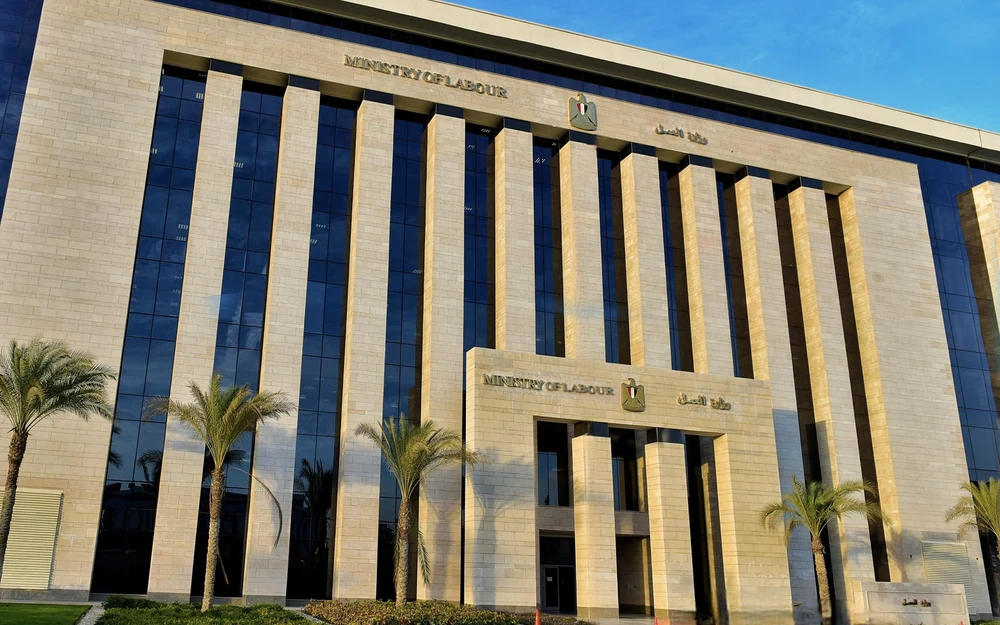
Ministry of Labour announces 1,576 new private-sector jobs in 11 governorates
Labour Minister Hassan Raddad has announced 1,576 new private-sector jobs at 30 companies across 11 governorates in the ministry's November 2026 employment bulletin. Applications are open through the ministry's employment office in Nasr City, governorate labour directorates, directly with the companies, or on the ministry's website.
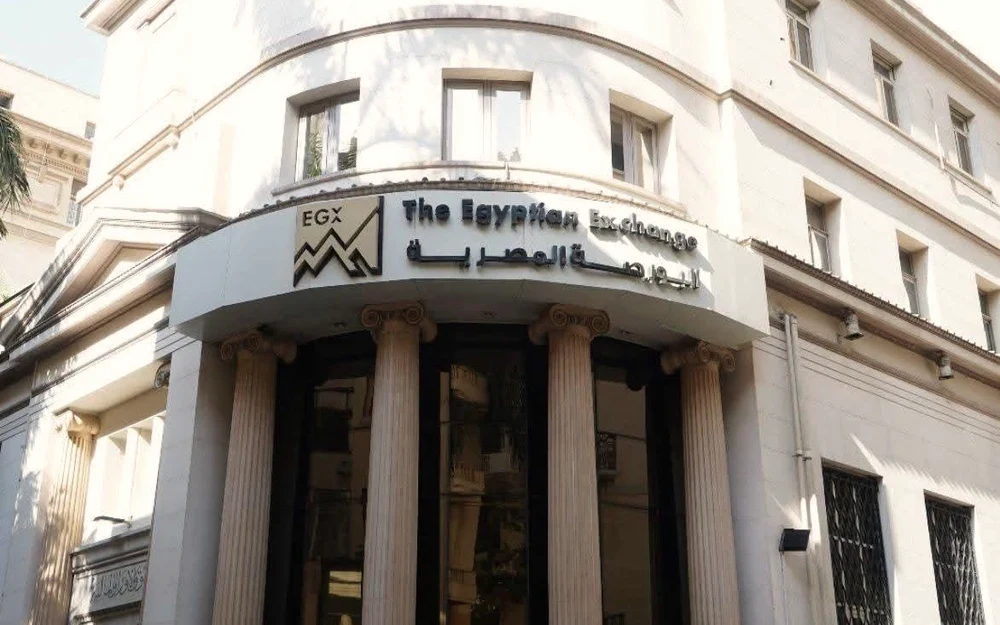
EGX30 pushes past 51,000 as foreign buying lifts the Egyptian Exchange for a third straight day
The Egyptian Exchange's benchmark EGX30 closed Thursday 5 November 2026 at 51,152.73 points, up 0.99%, its third straight daily gain and its first close above 51,000, as foreign investors were the session's only net buyers and market value rose by EGP 61.2 billion.
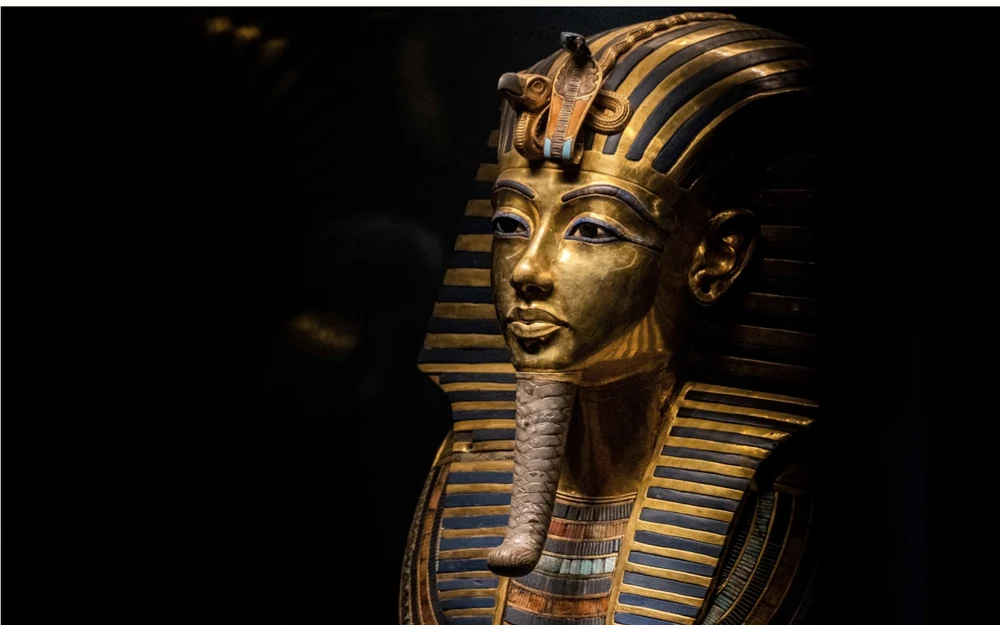
104 years after Tutankhamun's tomb was found, its treasures fill the Grand Egyptian Museum
On 4 November 1922 Howard Carter's team found the first step to Tutankhamun's tomb in the Valley of the Kings. A hundred and four years on, the anniversary was marked in Luxor and at the Grand Egyptian Museum near the Giza pyramids, where all 5,398 objects from the tomb are now displayed together for the first time.