
Five EGX companies bought back 20 million of their own shares in the recovery week
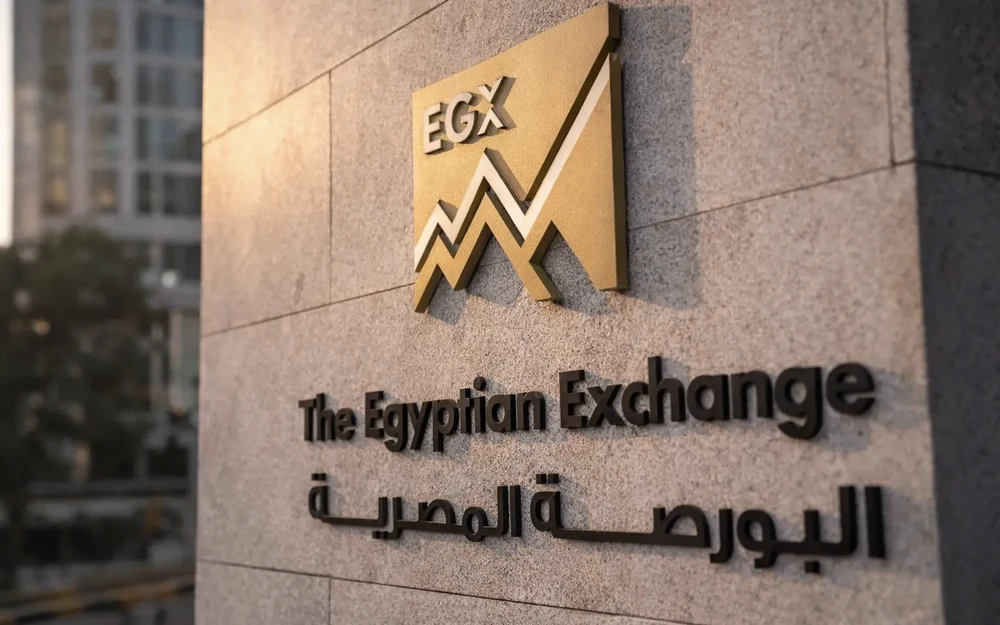
Five companies listed on the Egyptian Exchange bought about 20.1 million of their own shares last week, buying through the rebound that followed October's selloff, with Bonyan for Development and Trade the biggest buyer.
Buying through the rebound
The buying continued as the market started to recover. By Wednesday 4 November, the EGX30 had gained for a second consecutive session, rising 2.83% to close at roughly 50,700 points, with foreign institutions net buyers of EGP 338.7 million that day. Three of the five companies approved their buyback programmes during the October selloff itself: Ibnsina Pharma’s board on 25 October, Edita’s on 26 October, and Taaleem’s on 29 October. Pioneers Properties for Urban Development (PRE Group) and Bonyan for Development and Trade already had programmes running into the autumn.
Bonyan and PRE Group lead the totals
Bonyan for Development and Trade was the week’s biggest buyer. It took 5.2 million shares on Thursday 5 November, the final session of its programme and its largest purchase by some margin, after taking 2.62 million on Tuesday and 2 million on Wednesday. That brings it to 32 million shares since notifying the exchange, under a 6 October board resolution authorising up to 4% of its issued capital, with its execution window closing on Thursday. PRE Group has taken just over 23 million shares since its 14 October notification, under a board resolution dating to 22 August, including 420,000 in Thursday’s session.
Edita, Ibnsina and Taaleem
Ibnsina Pharma has bought 5.33 million shares across five sessions since 29 October, including 630,000 on Thursday, though its filings disclose each session without a running total or programme size. Edita has bought around 3.42 million of the 30 million shares it authorised on 26 October, under a one-month programme equivalent to roughly 1.4% of its issued capital; its largest purchase came on Monday, at 1.68 million shares. Taaleem bought some 370,500 shares on Wednesday, just two days into a programme that runs through 2 December. It has approval to repurchase just over 22 million shares, or 3% of its capital, using its own funds and executing through Commercial International Brokerage (CIBC), to support and stabilise its share price. Its board approved the programme unanimously after setting aside the votes of shareholder Palm Hills Development’s representatives, with no participation from major shareholders or insiders. Taaleem held no treasury shares before the programme, and its notification commits to staying inside both the 3% and the 10% statutory ceiling.
Why boards chose buybacks
A buyback is what a board reaches for when it thinks the market has its price wrong. “The company’s internal valuation or perspective sees a much more valuable company than what the market is valuing it at,” Menthum co-founder and CEO Himanshu Shrimali told EnterpriseAM. A buyback also spreads earnings over fewer shares, lifting earnings per share for those who hold on. Valuations were a big part of the appeal, Al Ahly Pharos Head of Research Hany Genena told EnterpriseAM, adding that his desk fielded inquiries from companies weighing whether the selloff was a good moment to launch a buyback. “Some of the stocks were extremely undervalued,” he said. Buybacks are also the cheaper way to hand money back: dividends carry a 10% withholding tax, while selling into a buyback attracts only stamp duty. Unlike a higher dividend, they also set no expectation of a repeat payout the following year.
Temporary lift, thinner float
“Share buybacks usually are a signal of confidence from the people who know these companies best, and that matters in a sentiment-driven market,” Managing Director of Okaz Asset Management Randa Hamed told EnterpriseAM. She adds a condition: a buyback makes sense only when a stock is undervalued and the balance sheet can carry it. “A buyback supports a price only while it runs,” Hamed said. “The real question is whether those shares are canceled or come back to the market within the regulatory window.” Egyptian law caps treasury holdings at 10% of a company’s shares and requires them to be re-issued or canceled within a year. Genena expects a good number of those shares will likely make their way back onto the market, since companies that bought at distressed valuations could book gains by selling their treasury shares once prices recover. Selling those shares back would also restore some of the float that buybacks take out of trading. Egyptian freefloats are already slim by international standards, Shrimali notes, and taking more out of circulation makes the remainder easier to move. For some companies, however, a thinner float is the point: Misr Beni Suef Cement has bought back shares before and then reduced its capital, a move that also limits how much stock other major shareholders can accumulate toward a board seat.
More from Cairo
Ali Maher takes charge of Egypt as Hossam Hassan departs after World Cup run
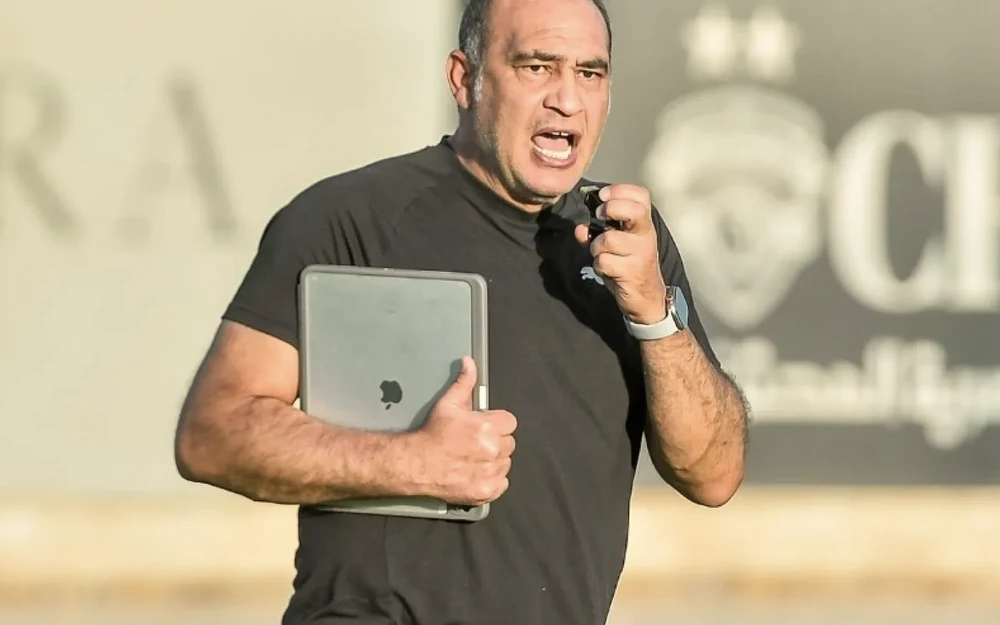
The Egyptian Football Association has parted ways with national-team head coach Hossam Hassan and his coaching staff, and appointed Ali Maher as head coach, six days before Egypt's Africa Cup of Nations qualifiers against Malawi.
Egypt condemns attempt to target Medina with a ballistic missile and stands with Saudi Arabia
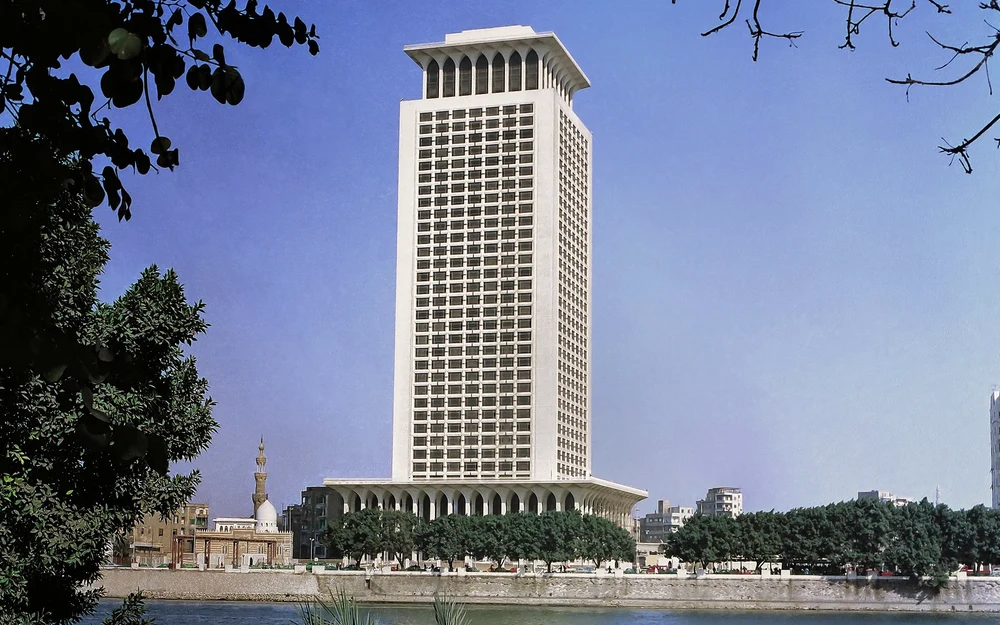
Egypt's Foreign Ministry on Friday 6 November 2026 condemned in the strongest terms the attempt to target the Saudi city of Medina with a ballistic missile, affirming Cairo's full solidarity with Riyadh and its support for every measure the kingdom takes to defend its security and sovereignty.
Grand Egyptian Museum wins Italy's Paestum Award — and lights up after dark with Eternal Sun
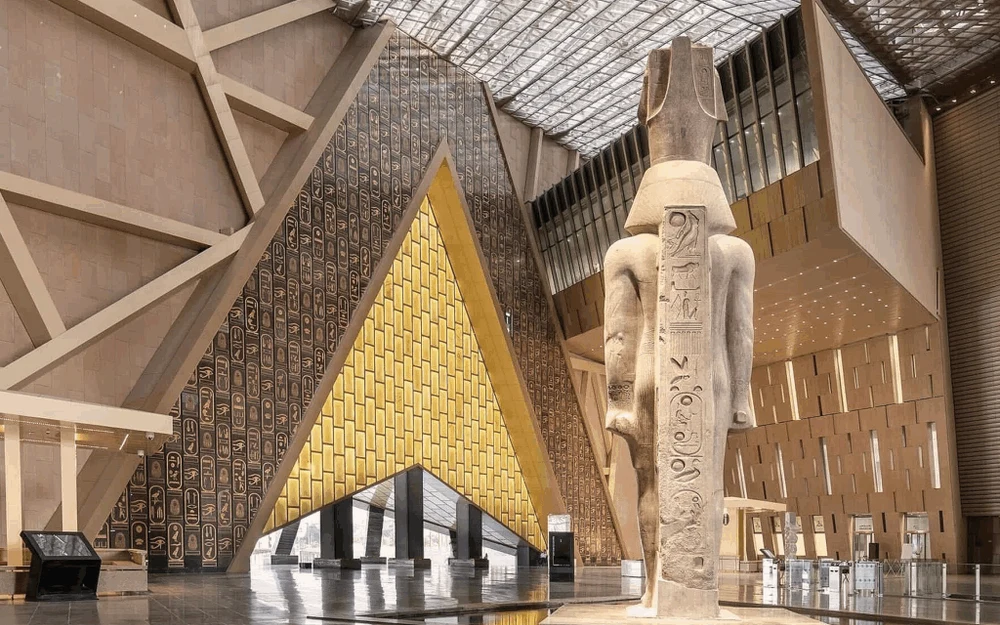
The Grand Egyptian Museum has won the 2026 Paestum Award in Italy for protecting antiquities and encouraging cultural cooperation across the Mediterranean, days after its first anniversary. Its new evening show, Eternal Sun, now turns the Grand Hall into a 35-minute light-and-sound journey through 5,000 years of Egyptian civilisation.