
Egypt condemns attempt to target Medina with a ballistic missile and stands with Saudi Arabia
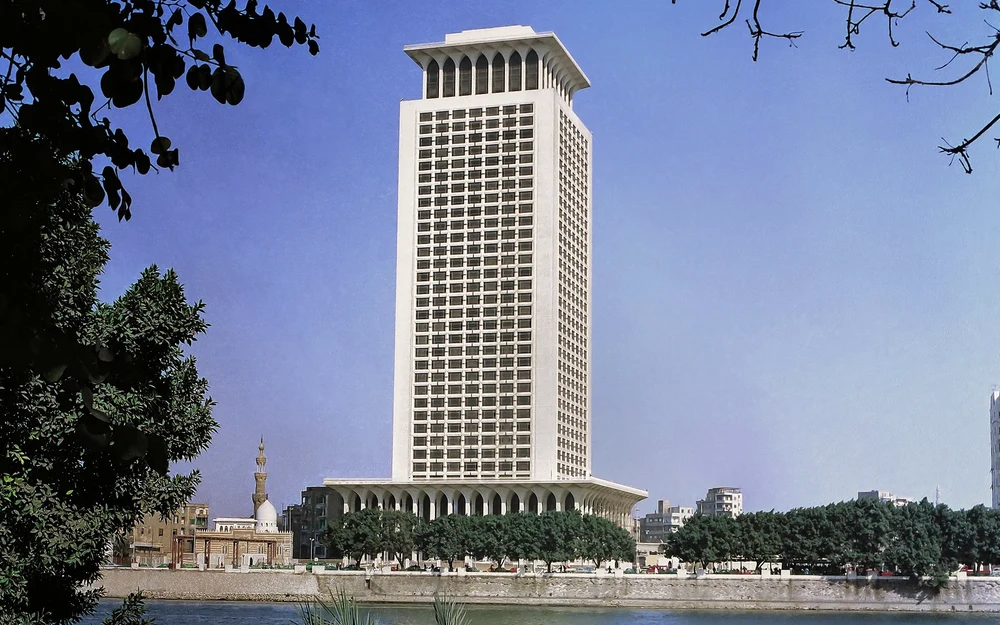
Egypt's Foreign Ministry on Friday 6 November 2026 condemned in the strongest terms the attempt to target the Saudi city of Medina with a ballistic missile, affirming Cairo's full solidarity with Riyadh and its support for every measure the kingdom takes to defend its security and sovereignty.
What the statement said
Egypt said the attempt was a flagrant violation of the rules and provisions of international law, and that such attacks undermine the security and stability of the region, as well as efforts to calm tensions and build peace. The statement expressed Cairo’s deep denunciation of attacks of this kind and stressed that the security of Saudi Arabia is closely linked to Egyptian national security and is one of the pillars of stability in the region as a whole.
The statement gave no details about damage or casualties, and Cairo did not name those behind the attempt. Its message was one of principle: a rejection of any targeting of Saudi territory, and of any action that threatens the safety of civilians or the sanctity of religious sites. Medina is home to the Prophet’s Mosque and is one of the holiest cities in Islam, visited by millions of pilgrims from around the world each year.
What happened on Thursday
The incident dates to Thursday 5 November, when the Saudi-led coalition supporting legitimacy in Yemen said its air defences had intercepted and destroyed a ballistic missile heading towards the Medina region. Coalition spokesman Maj. Gen. Turki al-Maliki said the missile had been launched by the Houthi movement, according to the Saudi Press Agency. No damage or casualties were reported from the interception.
The Houthi movement’s military spokesman, Yahya Saree, denied that the group had targeted Medina, saying its operations target oil facilities and military bases in Saudi Arabia instead. No independent investigation of the missile’s origin has been announced.
A week of diplomacy
The condemnation came at the end of a week of Egyptian diplomatic contacts aimed at containing regional tensions. On Wednesday 4 November, Foreign Minister Badr Abdelatty spoke by phone with his Saudi counterpart, Prince Faisal bin Farhan, about recent regional developments and ways to curb escalation, with both ministers stressing the importance of coordination and dialogue to preserve stability in the Gulf and the wider Arab world.
On Friday, Abdelatty also spoke by phone with Iranian Foreign Minister Abbas Araghchi about regional developments and de-escalation efforts, with the two ministers voicing concern over the prospect of renewed military confrontation and stressing the need for flexibility and compromise to reach a political settlement. Egypt and Saudi Arabia are close political and economic partners, linked by the Red Sea, by large Egyptian worker communities in the kingdom and by shared positions in Arab diplomacy, and Cairo has repeatedly voiced support for Riyadh when Saudi cities, airports or energy facilities have come under fire during regional conflicts.
More from Cairo
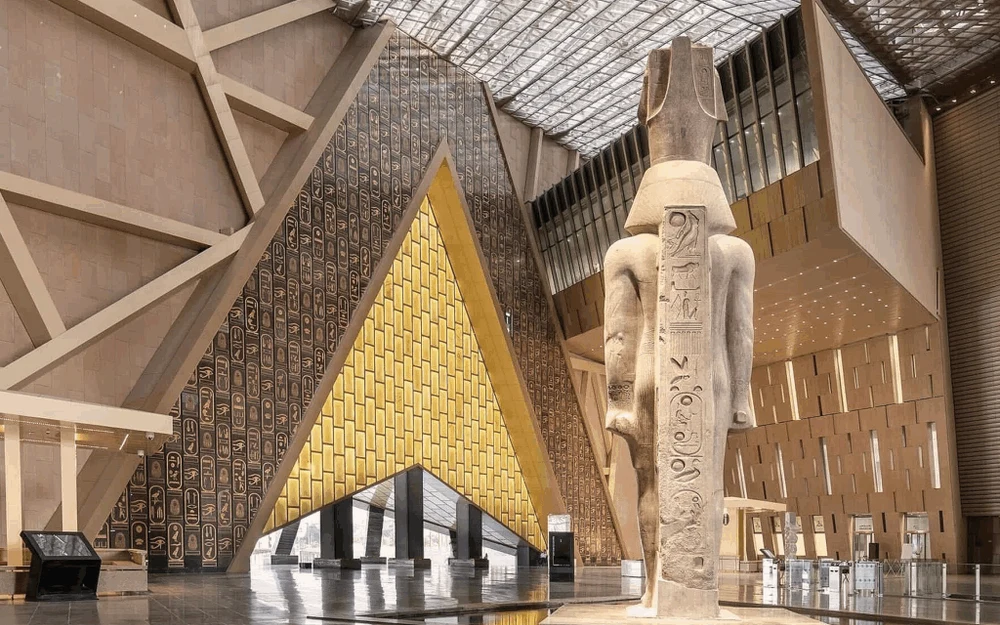
Grand Egyptian Museum wins Italy's Paestum Award — and lights up after dark with Eternal Sun
The Grand Egyptian Museum has won the 2026 Paestum Award in Italy for protecting antiquities and encouraging cultural cooperation across the Mediterranean, days after its first anniversary. Its new evening show, Eternal Sun, now turns the Grand Hall into a 35-minute light-and-sound journey through 5,000 years of Egyptian civilisation.
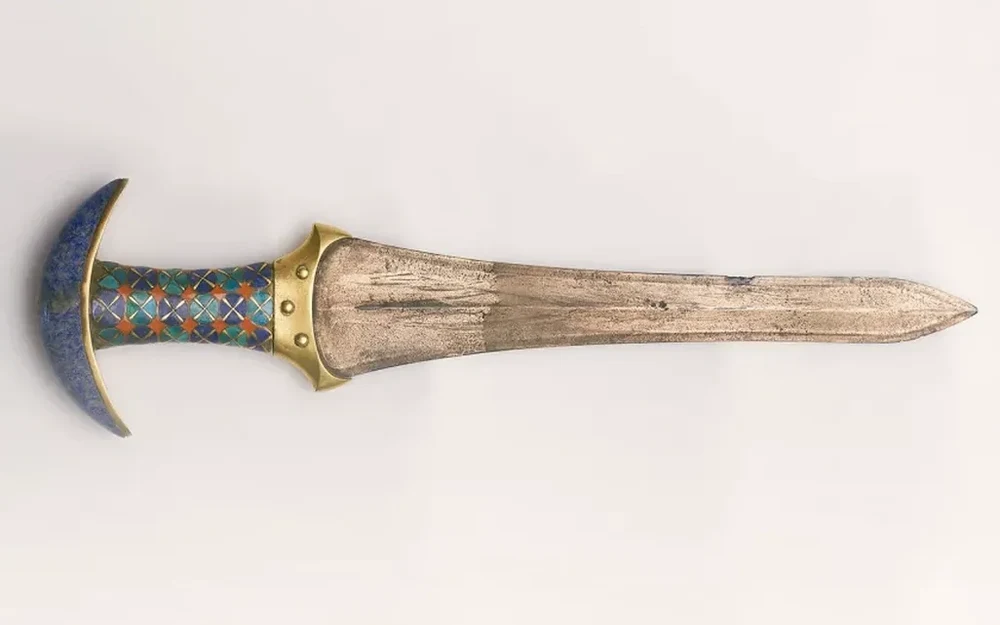
The bones of Dahshur's princesses suggest they were archers — and experts disagree
A study of six royal skeletons from Dahshur, rediscovered in the Egyptian Museum's basement in 2020, argues that Middle Kingdom princesses buried with bows and daggers had actually used them. Outside specialists say the bones alone cannot prove it.
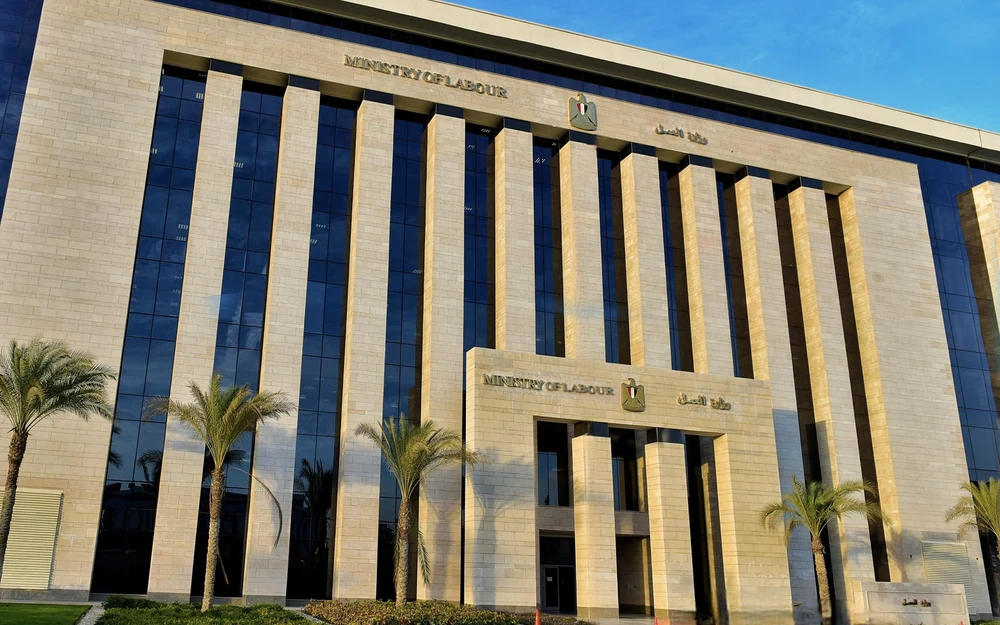
Ministry of Labour announces 1,576 new private-sector jobs in 11 governorates
Labour Minister Hassan Raddad has announced 1,576 new private-sector jobs at 30 companies across 11 governorates in the ministry's November 2026 employment bulletin. Applications are open through the ministry's employment office in Nasr City, governorate labour directorates, directly with the companies, or on the ministry's website.