
Seven killed and at least 125 injured as two trains collide at Al-Ayyat in Giza
Seven people were killed and at least 125 injured on Sunday 8 November when a Giza–Fayoum train struck the rear of a stationary Cairo–Aswan service at Al-Ayyat in Giza, derailing six carriages.
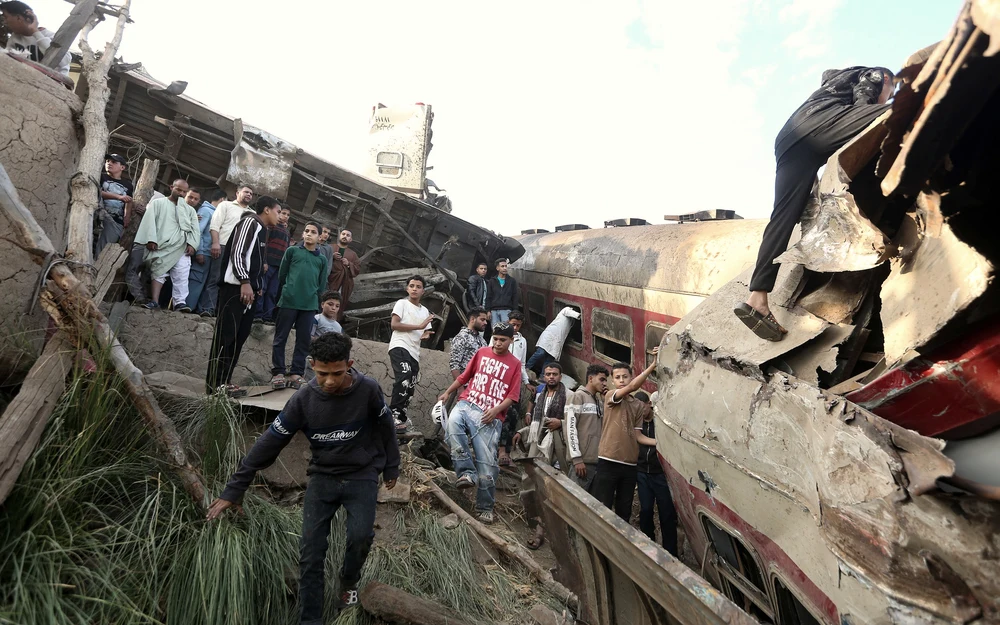
What happened
The collision happened at about 1:30 pm on Sunday, near the village of Gerza in Al-Ayyat. According to the National Authority for Egyptian Railways, Train 134, the “Tahya Misr” service running from Giza to Fayoum, ran into the rear of Train 2010, the Cairo–Aswan service, which was stationary on the same track. The impact derailed several carriages, six of which overturned, and some tumbled down an embankment onto a country road. The Public Prosecution said its initial inspection found the Giza–Fayoum train had struck the last carriage of the stationary service, and that the two trains had been travelling in the same direction.
The casualty toll
The Health Ministry said seven people were killed, including the driver of the Giza–Fayoum train, and at least 125 were injured. Hospitals received 132 cases in total, including the seven dead. Of the injured, 71 had been discharged after their condition improved, 43 were still being treated under observation — 23 at Al-Ayyat Central Hospital, 13 at Al-Wasta Central Hospital and seven at Atfih Central Hospital — and 11 had been transferred to hospitals in Beni Suef for further treatment. The toll was revised upward through the day: the ministry first reported four dead and 88 injured, then seven dead and 112 injured, before the latest figure of 125 injured. The Public Prosecution, giving a provisional count, put the injured at 114 and warned the final numbers were still being confirmed. The injured suffered bruises and abrasions, fractures of the limbs, pelvis and spine, and head, facial and chest wounds.
The rescue and the hospitals
Seventy-two ambulances took part in moving the injured to hospitals in Giza and Beni Suef, and Health Minister Khaled Abdel Ghaffar ordered health facilities in both governorates to raise their readiness. Villagers living near the line rushed to the scene, pulled survivors from the wreckage and called the ambulances; some passengers were trapped inside carriages and were dead when they were pulled out, witnesses said. Emergency teams and heavy cranes were sent to the site to clear the wreckage, and rail services between Giza and Upper Egypt were suspended while the line was cleared.
Investigation under way
President Abdel Fattah El-Sisi said he was following the accident with great concern and ordered an urgent investigation, saying anyone found negligent would be held accountable. The Public Prosecution has opened an investigation and sent a team to the site to establish the technical causes of the collision. Transport Minister Kamel Al-Wazir visited the scene. The cause of the crash has not yet been established.
Al-Ayyat’s history
Al-Ayyat is the site of Egypt’s worst rail disaster: in February 2002 a fire swept through a holiday train there, killing more than 370 people. Last September, two freight trains collided in the same district, injuring a driver and his assistant. Train derailments and crashes remain a recurring problem on Egypt’s ageing railway network, despite government modernisation programmes announced in recent years.
More from Cairo

Giza startup AlProtein takes second place at FrancoTech 2026 for AI-grown duckweed protein
Giza-based food-tech startup AlProtein has won second place in the Best Digital Innovation category at the FrancoTech Innovation Competition 2026 in Phnom Penh, Cambodia, for its AI-powered system that turns duckweed into sustainable protein ingredients for food manufacturers.
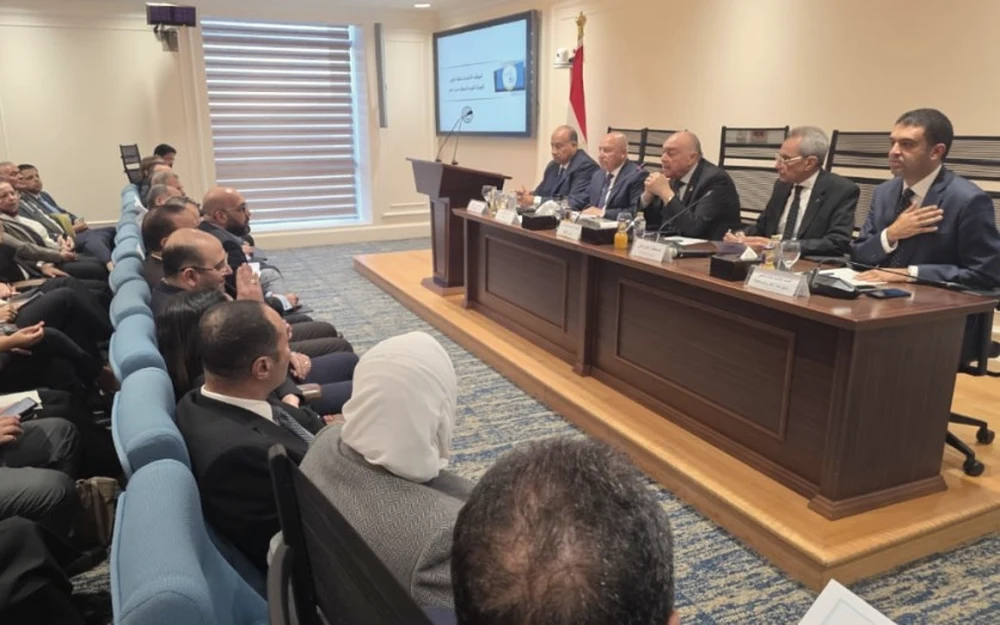
Transport minister faces parliament over Al-Ayyat crash: ‘We admit there are mistakes’
Transport Minister Kamel El-Wazir told the House Transport and Communications Committee that the train in Sunday's Al-Ayyat collision had passed inspection signed by 21 officials, denied ever ordering the automatic train control switched off, and admitted mistakes in the railway system, as MPs and parties demanded accountability for the crash that killed seven people and injured 125.
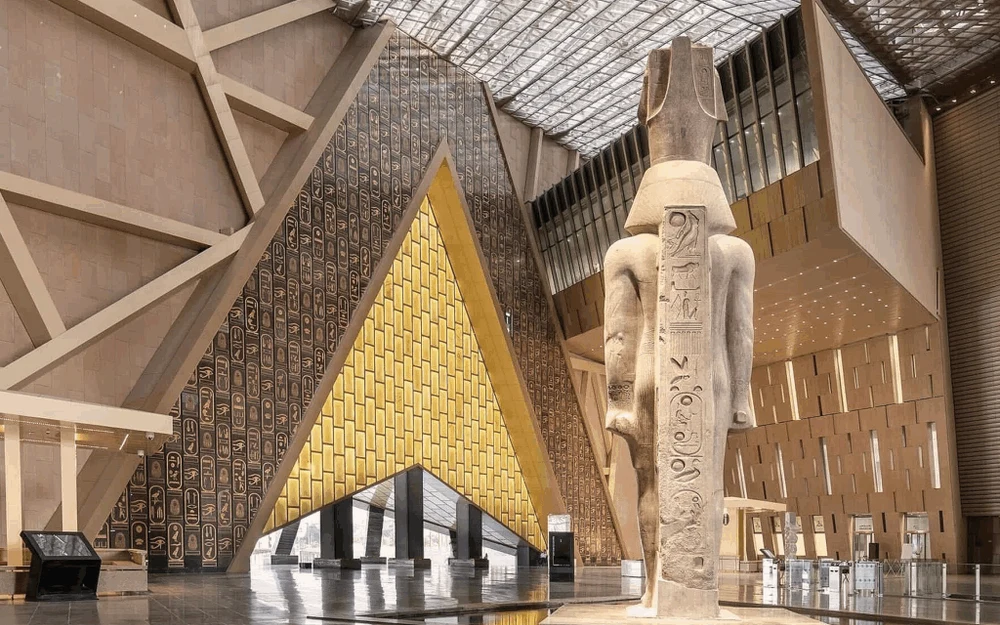
Grand Egyptian Museum wins Italy's Paestum Award — and lights up after dark with Eternal Sun
The Grand Egyptian Museum has won the 2026 Paestum Award in Italy for protecting antiquities and encouraging cultural cooperation across the Mediterranean, days after its first anniversary. Its new evening show, Eternal Sun, now turns the Grand Hall into a 35-minute light-and-sound journey through 5,000 years of Egyptian civilisation.