
Forgotten flint tools show Heliopolis villagers were specialist craftsmen before the pharaohs
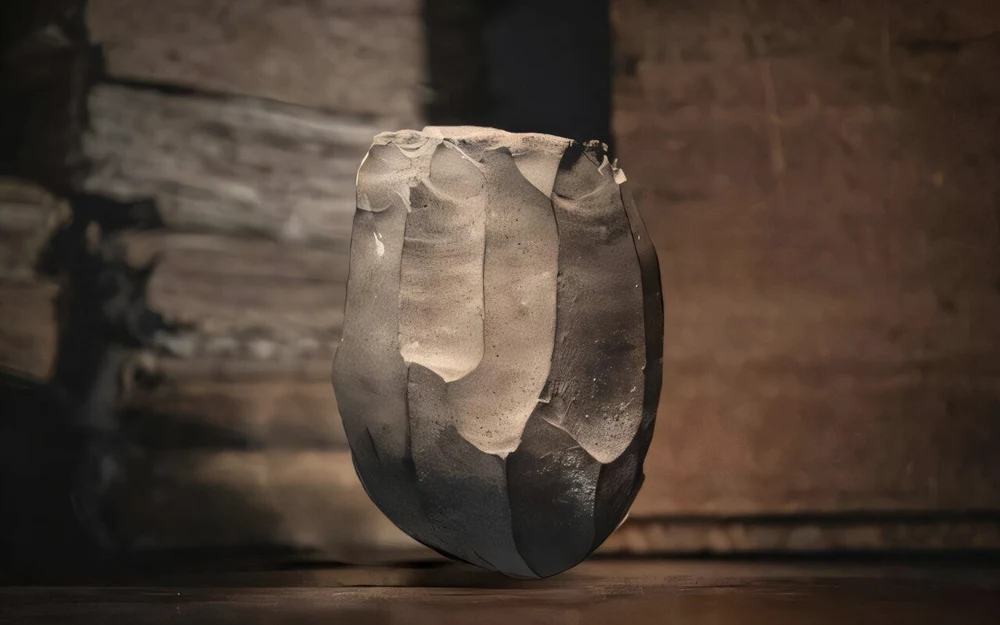
Almost 3,000 flint tools dug up at Heliopolis in 1905 and 1906, then left in 40 boxes at the Museo Egizio in Turin for over a century, show that a small group of expert knappers ran a blade workshop in the farming village beneath modern Cairo, shortly before Egypt became a state.
A village before the obelisk
Long before its famous obelisk was built, in around 1940 BC, Heliopolis was a farming village. Shortly before 3000 BC, when the first pharaohs united the Nile Valley into one of the world’s earliest states, the people here grew crops, brewed beer and made razor-sharp flint tools. In pharaonic times Heliopolis became a great religious and intellectual centre, devoted to the sun god Ra. Today the ancient village lies buried beneath Matariya, a densely populated district in the north-east of the capital — and the place where the flints were dug up no longer exists as an archaeological site at all.
Dug from the water, then forgotten
In 1905 and 1906 the Italian Egyptologist Ernesto Schiaparelli dug almost nine metres down to reach that early village. Groundwater flooded his trenches, and workers had to recover artefacts straight from the water. Schiaparelli kept the flints, but his research mainly focused on monuments and inscriptions, so they sat in 40 wooden boxes at the Museo Egizio in Turin, almost forgotten, for over a century. Recently they were temporarily moved to the Museo del Duomo in Bracciano to be studied. The study, by Francesca Manclossi, Giulio Lucarini and colleagues, is published in the Journal of Anthropological Archaeology.
Opening the boxes
The researchers went through every box, piece by piece. Faded labels and inventory numbers, checked against Schiaparelli’s notes, allowed them to assign 2,869 objects securely to Heliopolis. Early excavators often kept only the beautiful pieces and threw the rest away, but this collection was different: alongside finished tools the team found cores — the blocks of flint from which blades were struck — tiny flakes and debris from working the stone. In all there are 187 cores and 549 blades and bladelets. The tools served for everyday jobs: cutting, scraping, piercing and harvesting crops.
A workshop of village experts
The knappers picked good-quality flint pebbles from nearby gravels and struck long, regular blades from the cores with soft stone hammers, in four different ways of working the stone. The most telling clue was the balance between cores and blades: unlike other sites of the period, Schiaparelli’s area held many cores but relatively few blades — 2.9 blades per core, even though most cores still show four to eight blade scars on their working faces. The authors calculate that at least twice as many blades were made as were found, so most were taken elsewhere. This was a workshop, producing more than its knappers needed.
The neighbours who bought their blades
A reality check came from 2019, when an Egyptian-German team digging 500 metres away, beside what appears to be an early brewery, reached a layer of the same age containing the same kinds of tools. That spot tells the opposite story: few cores, clumsily worked by less skilled hands. People there got most of their blades from the workshop. Archaeologists call this “arbitrary craft specialisation”: a few people became skilled experts, but no one controlled access to raw materials or organised production on a large scale. The experts were still farmers too — flint sickle blades were sharpened and repaired in many different ways, a sign that each user maintained their own. Elegant Hammamiya knives, found across Egypt in the same period, turn up at Heliopolis as well, along with traces of their making.
Before the state, a division of labour
Then things changed quickly. Shortly before 3000 BC, the traditional blades of the Delta, like those produced at Heliopolis, disappeared and were replaced by more standardised ones, many of them no longer from local villages but from large workshops at desert flint mines. The change coincided with the rise of the Egyptian state and its growing demand for agricultural surplus. It is tempting to see this as a revolution imposed from above by the new state. Heliopolis suggests otherwise: even before the change, many of its farmers did not make their own blades. The habit of relying on someone else for an essential tool was already there, and when blades began arriving from distant large-scale workshops, communities were ready for it — which may explain why the change was so fast. Early states, in other words, did not invent economic complexity from scratch. They built on arrangements that ordinary villagers had already worked out for themselves.
More from Cairo
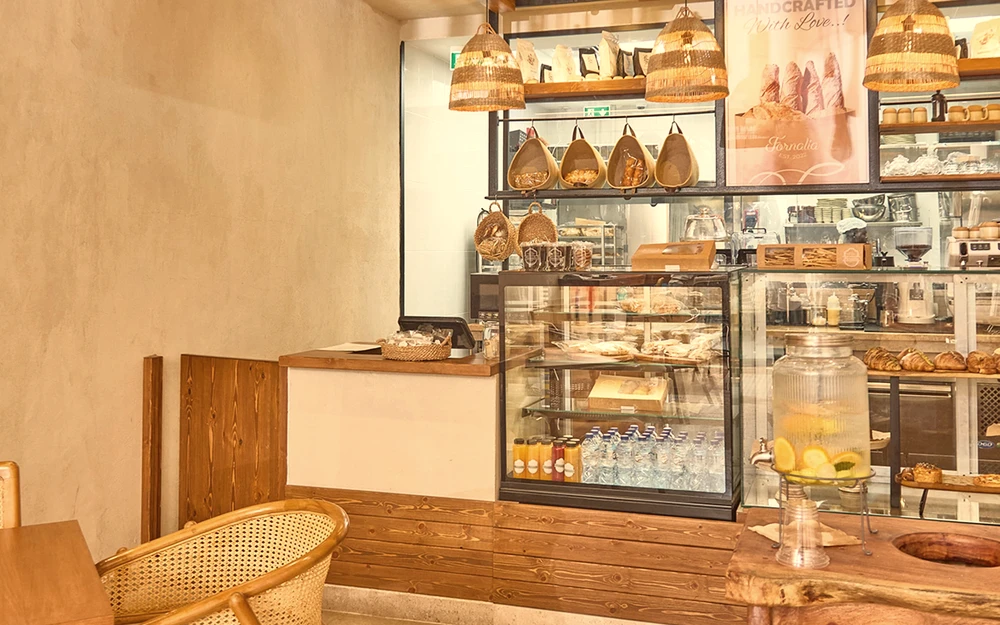
Fornalia adds a bakery and café stop to El Korba
The new Heliopolis branch brings coffee and sweet and savoury bakes to 3 Sesostris Street.
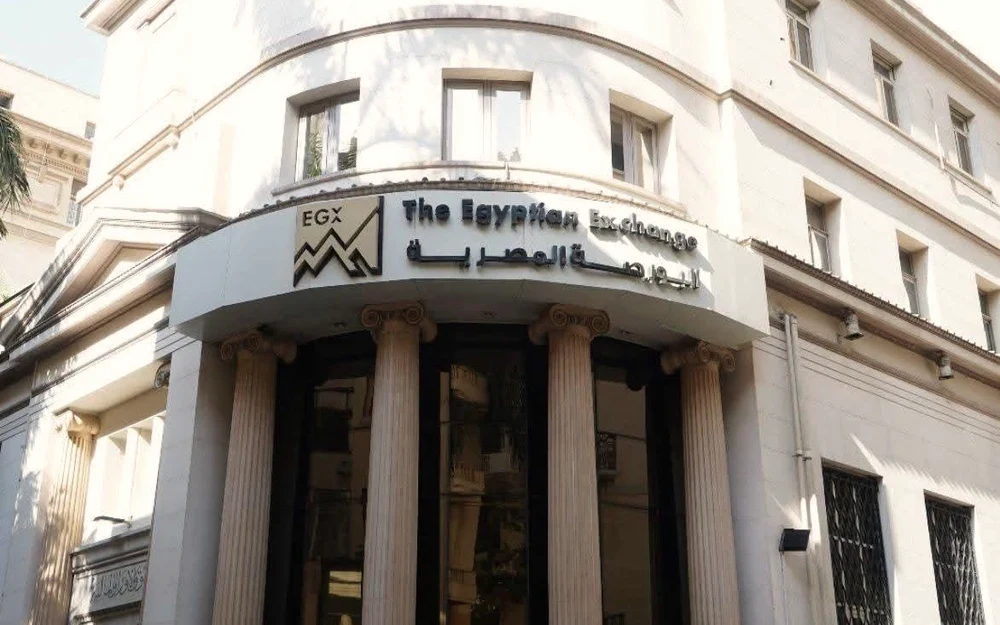
EGX30 pushes past 51,000 as foreign buying lifts the Egyptian Exchange for a third straight day
The Egyptian Exchange's benchmark EGX30 closed Thursday 5 November 2026 at 51,152.73 points, up 0.99%, its third straight daily gain and its first close above 51,000, as foreign investors were the session's only net buyers and market value rose by EGP 61.2 billion.
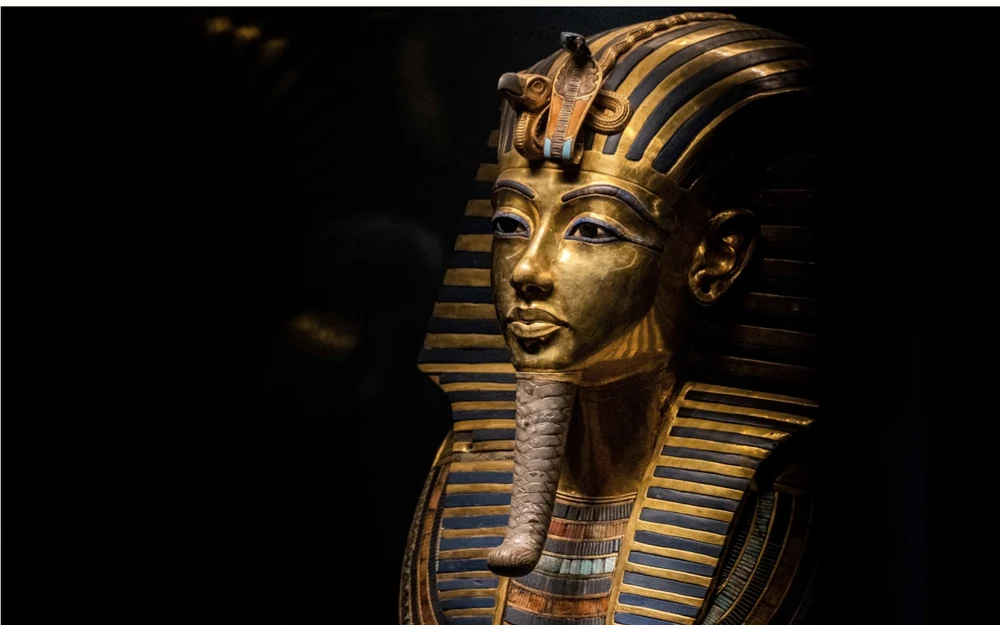
104 years after Tutankhamun's tomb was found, its treasures fill the Grand Egyptian Museum
On 4 November 1922 Howard Carter's team found the first step to Tutankhamun's tomb in the Valley of the Kings. A hundred and four years on, the anniversary was marked in Luxor and at the Grand Egyptian Museum near the Giza pyramids, where all 5,398 objects from the tomb are now displayed together for the first time.